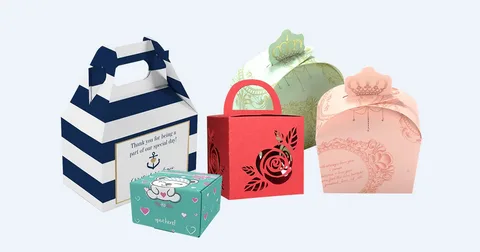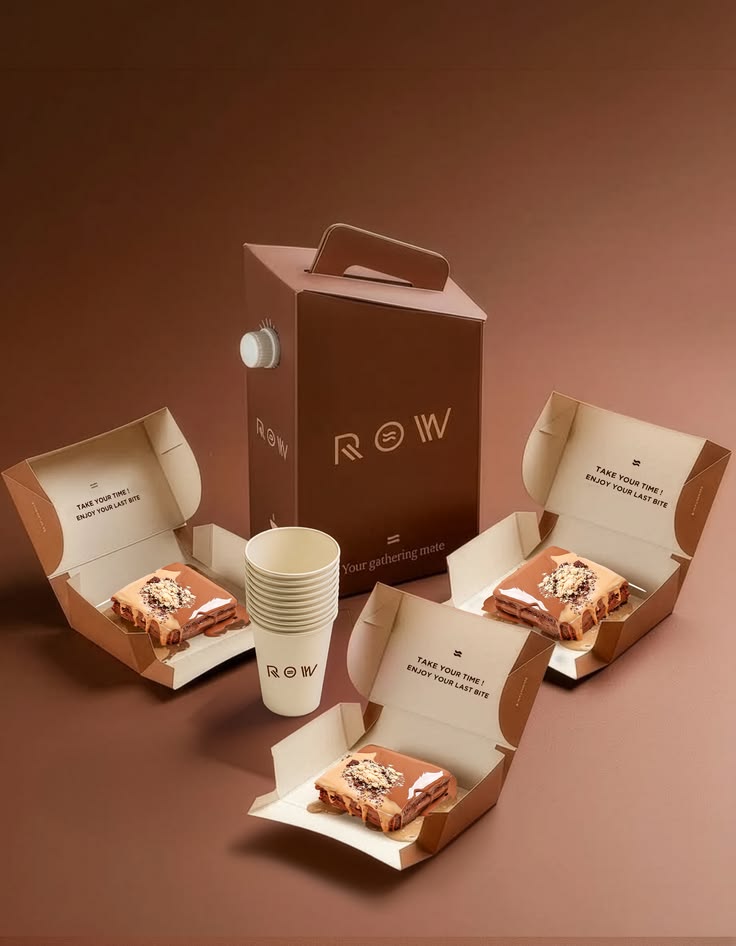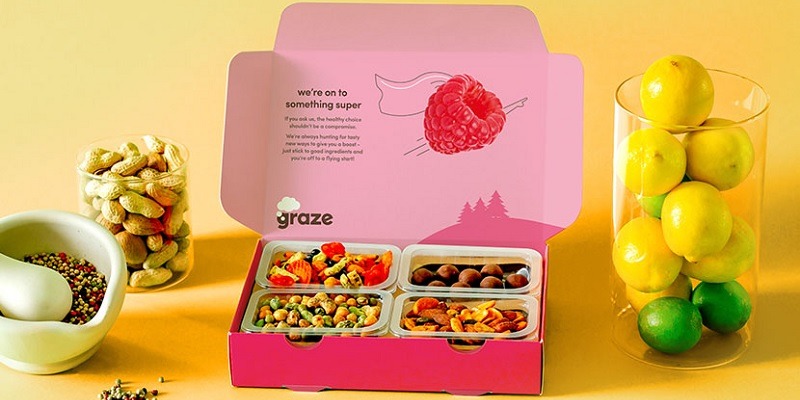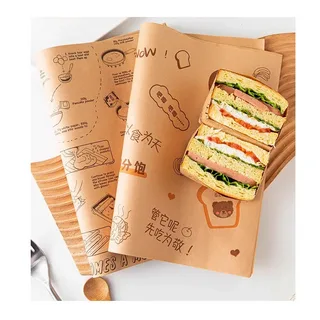
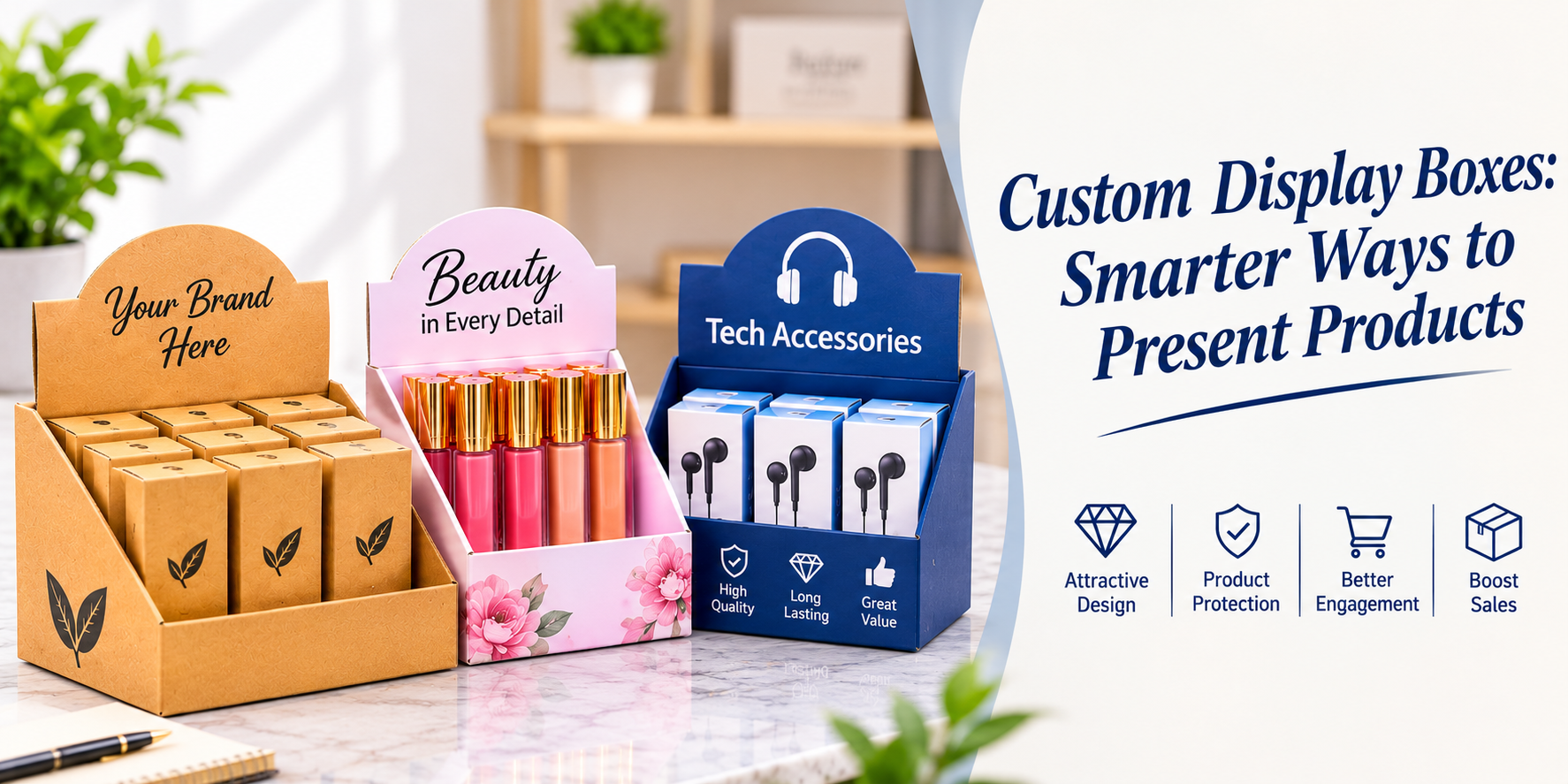
A product’s presentation can influence how customers notice it, understand its features, and decide whether to explore it further. In retail stores, where several brands compete for attention, the way products are arranged can make a noticeable difference. Attractive packaging, clear product information, and an organized display help shoppers find what they are looking for without unnecessary effort.
For businesses that want to improve their retail presentation, Custom Display Boxes offer a practical way to arrange products while keeping brand information visible. These boxes can be designed around different product sizes, quantities, and retail environments, making them suitable for businesses that want their merchandise to look organized and accessible.
Why Product Presentation Matters in Retail Stores
Customers often make quick decisions when browsing store shelves. They may compare several products before choosing one, which makes clear presentation an important part of the shopping experience. A well-organized display helps customers understand what is available and makes individual products easier to notice. Instead of searching through scattered items, shoppers can view different options in one convenient place. Product presentation also benefits retailers and store employees. Properly arranged merchandise is easier to manage, restock, and maintain throughout the day.
Some important benefits of organized product displays include:
- Better Visibility: Products become easier to notice when they are arranged neatly.
- Convenient Shopping: Customers can identify different products without moving several items around.
- Improved Organization: Displays help maintain a consistent arrangement on shelves and counters.
- Brand Recognition: Printed graphics and recognizable colors help customers identify products.
- Easier Restocking: Clearly arranged units make it simpler for employees to refill displays.
These advantages make display packaging useful for businesses that want to improve both product presentation and everyday retail operations.
Different Types of Product Display Boxes
Not every product requires the same display structure. The right choice depends on product dimensions, weight, quantity, and available retail space. Understanding the common display styles helps businesses select a format that suits their merchandise.
Countertop Display Boxes
Countertop displays are compact packaging structures placed near checkout counters, reception desks, and other customer-facing areas. They are commonly suitable for small products that customers can easily pick up while shopping. Their compact size makes them useful in locations where floor or shelf space is limited. Businesses can include printed headers, product information, and brand graphics to make these displays more recognizable.
Floor Display Boxes
Floor displays are designed for larger retail areas where products need a dedicated presentation space. They can hold several product units and are often used for promotional campaigns, seasonal collections, and product launches. Their structure should be stable enough to support the combined weight of the products. Businesses should also consider the available floor area and customer movement before selecting this display style.
Shelf Display Boxes
Shelf displays help organize products directly on retail shelves. They keep merchandise grouped together and can make different product variations easier to identify. These displays are particularly useful when businesses want to maintain a consistent arrangement across multiple retail locations.
Hanging Display Boxes
Hanging displays are designed for products that can be presented on hooks or pegboards. They make use of vertical retail space and can keep smaller merchandise visible without occupying a large shelf area. Accessories and lightweight packaged products are examples of items that may benefit from this arrangement.
Choosing the Right Material for Display Packaging
Material selection is one of the most important decisions when developing display packaging. The material should support the product’s weight, maintain the required structure, and provide a suitable surface for printing. Different materials offer different advantages, so businesses should consider their requirements before making a selection.
Corrugated Cardboard
Corrugated cardboard is commonly used when additional strength and support are required. Its layered construction makes it useful for display structures that need to hold multiple products. It can be suitable for countertop units, shelf trays, and larger promotional displays depending on the board grade and construction.
Paperboard
Paperboard is a popular option for lightweight display packaging. It offers a smooth surface for printed designs and can be converted into different shapes and structures. It may be suitable for smaller products that do not require heavy-duty support.
Kraft Material
Kraft material offers a natural brown appearance that works well with simple and understated packaging designs. It can also be printed with brand information and other visual elements. The final material choice should always consider product weight, handling conditions, moisture exposure, and the intended display period.
How Design and Printing Influence Product Visibility
The visual appearance of display packaging plays an important role in how products are presented. A display should communicate useful information while maintaining a clean and attractive appearance. Businesses do not need complicated graphics to create an effective design. A suitable combination of colors, typography, and product information can make a display easier to recognize.
Consider these design elements:
- Brand Colors: Consistent colors help customers connect the display with the business.
- Readable Typography: Clear fonts make product names and important details easier to understand.
- Product Images: Relevant images can help explain what the package contains.
- Logo Placement: A visible logo helps maintain brand recognition.
- Balanced Layout: Proper spacing prevents the design from looking crowded.
Printing quality also matters. Colors should remain consistent with the brand’s visual identity, while important information should be placed where customers can easily read it. The purpose is to create a display that communicates clearly rather than overwhelming shoppers with too many decorative elements.
Selecting the Right Size and Structure
A display box should be designed according to the actual dimensions of the products it will hold. Choosing a structure without considering product measurements can create unnecessary space or make the display difficult to use.
Before finalizing the design, businesses should consider:
- Product Dimensions: Measure the length, width, and height of each item.
- Product Quantity: Decide how many units the display should hold.
- Product Weight: Select a structure capable of supporting the combined load.
- Available Space: Check the dimensions of the intended counter, shelf, or floor area.
- Product Access: Make sure customers can remove individual items conveniently.
It is also useful to test a sample with actual products before approving full production. This helps identify problems with stability, spacing, and product placement before they affect the finished packaging.
How Display Packaging Supports Different Industries
Display packaging is not limited to one type of business. Different industries can use it according to their products and retail requirements.
Food and Beverage Businesses
Snack packets, confectionery products, and other packaged food items can be arranged in countertop or shelf displays. The packaging should also meet the relevant food-contact and handling requirements.
Beauty and Personal Care Brands
Cosmetics, skincare products, and personal care items can benefit from organized displays that help customers compare different options. Clear product names and attractive graphics make the presentation easier to understand.
Electronics and Accessories
Small electronic accessories, cables, and similar products can be arranged in suitable display structures. Product information and visibility are especially important when customers need to compare different variations.
Stationery and Gift Shops
Pens, notebooks, small gift items, and decorative accessories can be grouped into displays that keep different products organized and easy to browse. Each industry has its own requirements, so display dimensions, materials, and graphics should be selected according to the products being presented.
Common Mistakes to Avoid When Choosing Display Boxes
Even a well-designed display can become less effective if its structure does not match the products or retail environment.
Businesses should avoid these common mistakes:
- Ignoring Product Weight: A weak structure may bend or lose its shape when loaded.
- Choosing Incorrect Dimensions: Poor measurements can make products difficult to arrange or remove.
- Overcrowding the Design: Too many graphics and messages can make important information harder to notice.
- Ignoring Customer Access: Products should be easy to reach without disturbing the remaining units.
- Forgetting Transportation: Displays may need additional protection during storage and delivery.
- Using Unsuitable Materials: The material should match the product’s weight and expected handling conditions.
Planning these details early can help businesses avoid unnecessary adjustments and create a display that works properly in its intended location.
Making Display Packaging Part of a Consistent Brand Strategy
A product display should not feel disconnected from the rest of a brand’s presentation. Its colors, logo, typography, and printed details should complement the company’s other packaging materials.
Businesses can maintain this consistency by using Custom Packaging Boxes for their different product lines while keeping recognizable visual elements across their packaging designs. This approach helps create a more organized brand appearance, whether products are displayed on retail shelves, sold through physical stores, or prepared for online customers.
Conclusion
Product presentation involves more than simply placing merchandise on a shelf. The right display structure can improve organization, make products easier to access, and help businesses communicate their brand identity more effectively. From countertop displays to larger floor structures, each format serves a different purpose. By considering material quality, product dimensions, printing, and customer convenience, businesses can select packaging that meets their retail requirements. A carefully planned display does not need unnecessary decoration to make an impression. When its structure and presentation work together, it can provide a practical and professional way to showcase products.
Frequently Asked Questions
1. What are custom display boxes used for?
Custom display boxes are used to arrange and present products in retail stores, counters, and promotional areas. They help keep merchandise organized and accessible to customers.
2. Which businesses can benefit from display packaging?
Food businesses, beauty brands, electronics retailers, stationery shops, gift stores, and many other businesses can use display packaging according to their product requirements.
3. What materials are commonly used for display boxes?
Corrugated cardboard, paperboard, and kraft materials are commonly used. The suitable option depends on product weight, required strength, and the intended display environment.
4. Are countertop display boxes suitable for small products?
Yes. Countertop displays are useful for smaller products because they keep items organized and make them convenient for customers to pick up.
5. How do I choose the correct display box size?
Measure the products, determine the required quantity, and consider the available retail space. The display should provide enough room for arranging and removing products comfortably.
6. Can display boxes include custom printing?
Yes. Display boxes can include brand logos, colors, product names, images, and other printed information to create a consistent presentation.
7. What is the difference between shelf and floor display boxes?
Shelf displays are designed to fit on retail shelves, while floor displays are larger structures placed directly on the store floor. Their selection depends on available space and product quantity.
8. Are display boxes useful for promotional campaigns?
Yes. Businesses can use display boxes to present seasonal products, new collections, special offers, and limited-edition merchandise in designated retail areas.
9. Why is product accessibility important in display packaging?
Easy access allows customers to pick up products without disturbing the remaining merchandise. It also helps maintain a neat display throughout the shopping day.
10. What should businesses check before approving display packaging?
Businesses should review the dimensions, material strength, product capacity, printing quality, stability, and ease of assembly before approving the final design.